Which HPE Switch Series Should You Choose?
Aruba CX vs legacy switches: choosing the right series
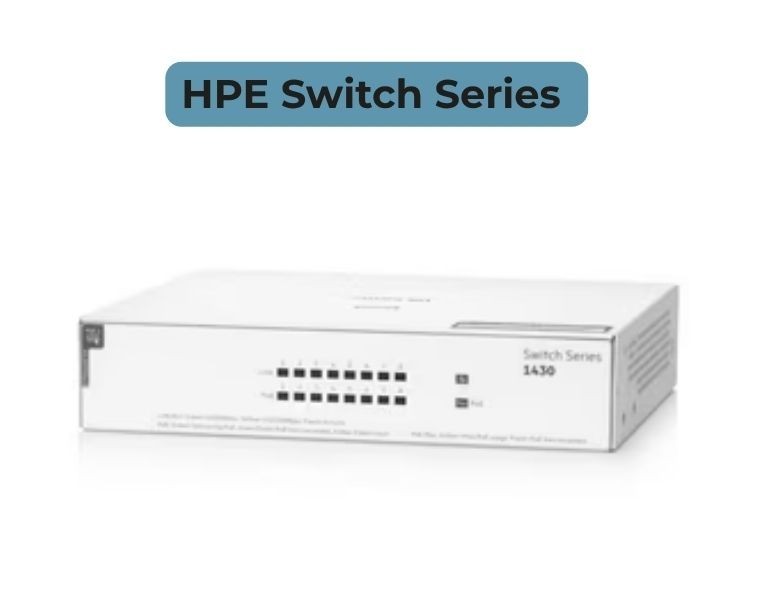
Introduction
If you're choosing an HPE Aruba switch series today, the decision is less about model numbers and more about platform. CX is the current architecture (AOS-CX), while 2530/2540/2930 are legacy ArubaOS-based switches. For most enterprise and SMB deployments in 2026, CX is the default choice. The real question is which CX tier fits your network—access, aggregation, or core—without overbuilding or locking yourself into legacy limitations.
Which series should you choose?
Choose Aruba CX for any new deployment.
Only use 2530/2540/2930 if you're maintaining an existing network.
Technical Breakdown
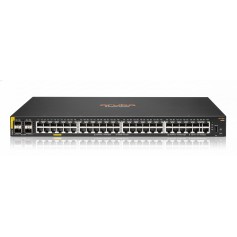
Aruba CX Series (6000 / 6100 / 6200 / 6300 / 6400)
- Runs AOS-CX (modern, API-driven OS)
- Unified OS across access, aggregation, and core
- Supports automation, cloud management, and zero-touch provisioning
- Scales from SMB to enterprise core
Deployment reality:
- CX 6000 → entry-level access (Layer 2 + static routing)
- CX 6100 → access with light Layer 3
- CX 6200 → enterprise access + stacking
- CX 6300 / 6400 → aggregation and core
What matters technically:
- Same OS across layers reduces operational complexity
- Built-in automation (REST APIs) improves long-term manageability
- High PoE budgets (up to ~740W on access models) support modern edge devices
Limitations:
- Higher upfront cost vs legacy
- Requires adjustment if your team is used to ArubaOS-Switch CLI
Aruba 2930 Series (2930F / 2930M)
- Legacy ArubaOS-Switch platform
- Layer 3 capable with stacking
- Proven in campus access environments
Deployment reality:
- Still widely deployed in enterprise access layers
- Works well in stable, unchanged networks
Limitations:
- No future roadmap compared to CX
- Limited automation and programmability
Aruba 2540 Series
- Lite Layer 3 (static routing)
- 10G uplinks
- No stacking
Deployment reality:
- Used in cost-sensitive office networks
- Simple access layer deployments
Limitations:
- Limited scalability
- Legacy OS
Aruba 2530 Series
- Layer 2 only
- Entry-level managed switch
Deployment reality:
- Small offices, basic connectivity
Limitations:
- No Layer 3
- Not suitable for modern segmented networks
- End-of-life direction
Comparison Table
| Feature | CX Series | 2930 Series | 2540 Series | 2530 Series |
|---|
| Performance | High, scalable | Medium-high | Medium | Basic |
| Reliability | Enterprise-grade | Proven | Stable | Stable |
| Management | AOS-CX (modern) | Legacy CLI | Legacy CLI | Basic CLI |
| Scalability | High (VSF/VSX) | Medium (VSF) | Low | Low |
| Power / Efficiency | Optimized | Standard | Standard | Standard |
| Warranty | Limited lifetime | Limited lifetime | Limited lifetime | Limited lifetime |
| Price Range | $$$ | $$ | $$ | $ |
| Best Use Case | Enterprise / SMB growth | Campus access | Office access | Small office |
| Business Size | SMB → Enterprise | Mid → Enterprise | SMB → Mid | Small business |
Pros and Cons
CX Series
Pros
- Future-proof platform
- Unified OS across all network layers
- Automation and cloud-ready
Cons
- Higher cost
- Learning curve for legacy teams
2930 Series
Pros
- Stable and proven
- Good Layer 3 for access
Cons
- Legacy platform
- Limited long-term value
2540 Series
Pros
- Cost-effective
- Suitable for simple deployments
Cons
- No stacking
- Limited growth potential
2530 Series
Pros
Cons
- No routing
- Not suitable for modern enterprise needs
Procurement Insight
- Standardize on CX if you're building or refreshing infrastructure—this avoids forced upgrades later.
- Only buy 2930/2540 if you need compatibility with existing ArubaOS environments.
- Avoid 2530 entirely for new deployments—it creates technical debt.
- CX reduces operational overhead over time due to automation and consistent OS across layers.
If you're sourcing Aruba switches k in the US, suppliers like DC Supplies typically stock both CX and legacy models, which helps when you're gradually migrating environments.
Real-World Use Cases
Office (25–50 users)
- CX 6000 or 6100
- Enough PoE and performance for APs, phones, endpoints
Multi-branch business
- CX 6100 at edge + CX 6200 aggregation
- Consistent OS simplifies management across sites
Data center / campus core
- CX 6300 or 6400
- High availability with VSX and redundancy
Final Recommendation
Choose CX series if you're deploying anything new or planning for growth.
Choose 2930 only if you're maintaining an existing ArubaOS-based network.
Avoid 2530/2540 unless budget constraints outweigh long-term limitations.












Comments (0)
No comment