No products
To be determined Shipping
$0.00 Total

Blog Categories
Archives
Latest Posts

A practical, technical guide to the HPE network automation features SMBs should actually deploy for reliability, visibility, and simpler management.
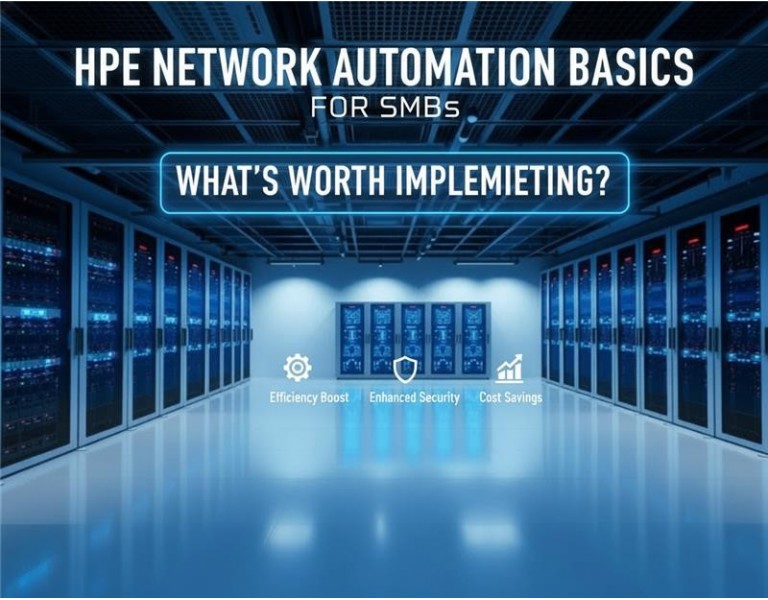
Small and mid-size businesses rarely have a full-time network engineer, yet they still deal with outages, misconfigured switches, and bandwidth spikes. Manual configuration works when you have two switches—once you scale past five or need consistent policies, the risk of human error increases fast. HPE’s automation tools can reduce that workload, but not every feature is worth implementing for smaller environments. This guide focuses on the automation capabilities that deliver real value, minimize downtime, and simplify operations without overengineering your network.
HPE does not push a single automation product; instead, it offers practical automation layers across Aruba switches, management platforms, and policy engines. For SMBs, the most useful options are the ones that reduce repeated tasks, enforce consistency, and improve visibility—without needing a dedicated DevOps or scripting team.
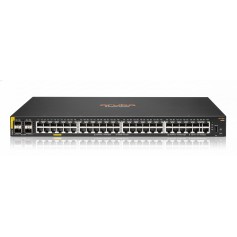
Aruba CX switches support automated provisioning where a new switch pulls its config when powered on.
Why it matters:
Cuts deployment time
Ensures consistent configs across branches
Reduces manual CLI errors
Best For:
Remote offices, growing SMBs adding switches frequently, distributed teams.
Using HPE management platforms, you can store template-based configs and push them to multiple switches.
Why it matters:
Eliminates per-switch configuration
Standardizes VLANs, QoS, PoE profiles
Makes rollback painless after a failed change
Best For:
SMBs with 3+ switches or multiple floors/buildings.
Switches can be kept on approved firmware versions without manual upgrades.
Why it matters:
Prevents outdated, vulnerable firmware
Helps maintain a stable baseline
Reduces maintenance windows
Best For:
Any SMB that doesn’t schedule regular firmware audits (most don’t).
Aruba switches can detect device class and allocate PoE power dynamically.
Why it matters:
Avoids wasted power
Ensures cameras, APs, and phones come online in the correct order
Helps prevent power overload events
Best For:
Offices with dozens of PoE devices (APs, IP phones, cameras).
Built-in automation sends alerts for link drops, temperature spikes, loops, and misbehaving clients.
Why it matters:
Early detection of failing hardware
Faster troubleshooting
Less dependency on on-site staff
Best For:
Any SMB without a dedicated network operations role.
With centralized policy enforcement, you can automatically assign VLANs and access levels based on device identity.
Why it matters:
Reduces misconfigurations
Helps secure guest networks
Streamlines onboarding of laptops, VoIP devices, and APs
Best For:
SMBs that handle contractors, guests, or mixed device types.
Start small—automated provisioning and centralized configuration deliver the biggest impact with minimal training. If your network depends heavily on PoE or multiple floors, add power automation and monitoring next. Avoid complex workflows or scripting-heavy automation unless you have in-house skills. The goal is stability and consistency, not building a full enterprise automation stack.
Implements automated provisioning and centralized configs to deploy switches across two floors without manual CLI work.
Uses PoE automation to ensure cameras and APs stay powered during peak hours and avoid overload issues.
Uses policy automation to separate guest traffic, staff devices, and IoT equipment automatically.
SMBs don’t need full-blown enterprise orchestration. The most valuable HPE automation features are the ones that simplify provisioning, enforce consistent configs, automate firmware, manage PoE intelligently, and improve monitoring. These reduce downtime, improve reliability, and free small teams from repetitive network tasks.
Strengthen your network with DC Supplies’ reliable HPE solutions designed for SMBs. From automated provisioning to centralized management and PoE-optimized switching, we help you deploy the right tools that reduce manual workload and improve uptime. Explore automation-ready HPE hardware and get expert support tailored to your business growth.










Comments (0)
No comment