No products
To be determined Shipping
$0.00 Total











Do you have a list of products you are looking to source?
Send us the whole list and get Special discounted prices
APC is a global leader in power protection and energy management, trusted by businesses worldwide for reliable B2B UPS solutions. From wholesale APC UPS units and bulk UPS systems to replacement batteries, PDUs, racks, and accessories, APC products are engineered to keep critical IT infrastructure secure, efficient, and always online. As a trusted commercial UPS supplier and APC UPS distributor USA, DC Supplies offers genuine products with distributor pricing on APC UPS, fast U.S. shipping, and expert support for companies looking to buy UPS in bulk, source bulk APC battery backup, or secure APC UPS for resale and bulk UPS for small business needs.
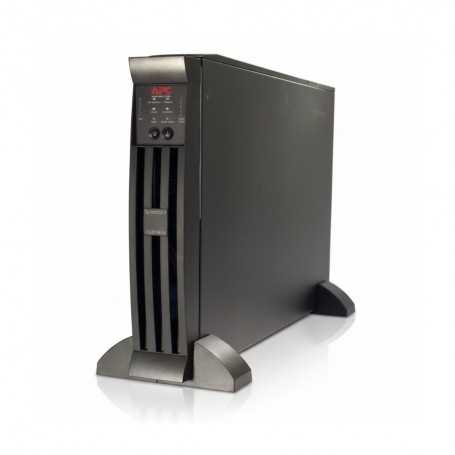
Modular 1500VA Rackmount Smart-UPS XL with 120V output, ideal for extended runtime in rack servers.
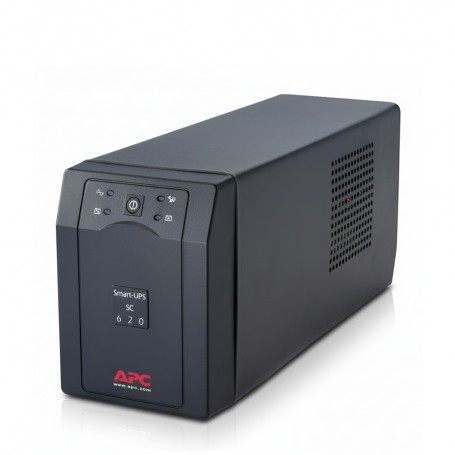
Smart-UPS SC 620VA Tower model with 230V output, providing reliable battery backup for small IT setups.
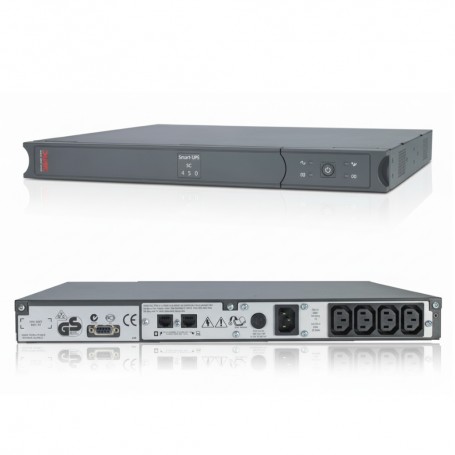
450VA Rackmount/1U Smart-UPS SC providing 230V power protection for small servers and networking devices.
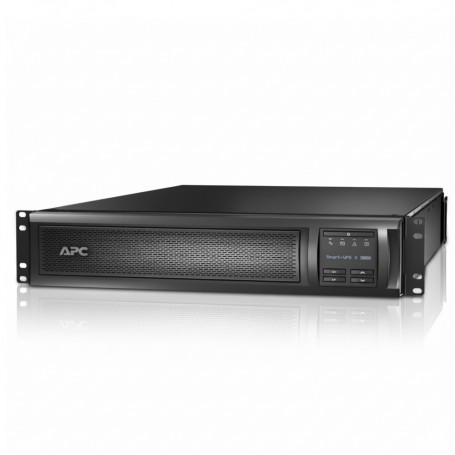
Smart-UPS X 3000VA Rack/Tower UPS offering high capacity power protection and LCD monitoring.

Smart-UPS On-Line 3kVA Rackmount 2U with 208V output for seamless continuous power in critical systems.
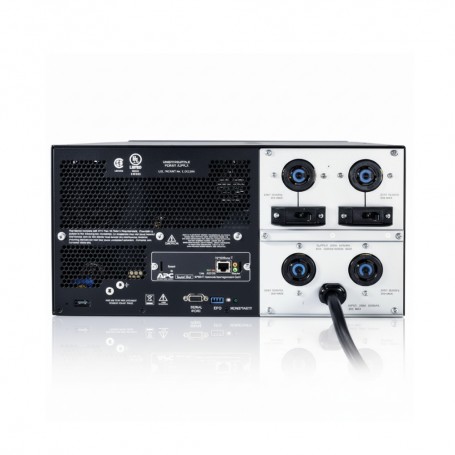
Rack-Mount Smart-UPS 5000VA with high capacity for enterprise-grade power continuity.
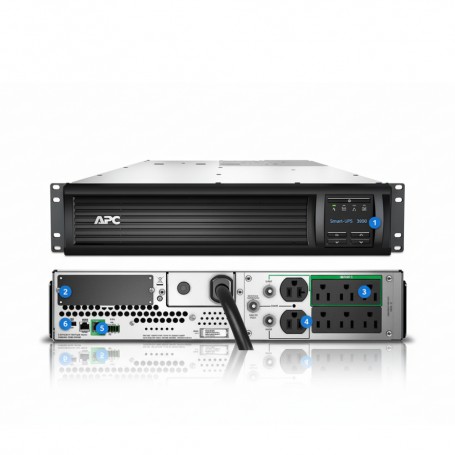
3000VA LCD Rackmount Smart-UPS 2U with 120V output for secure server power management.
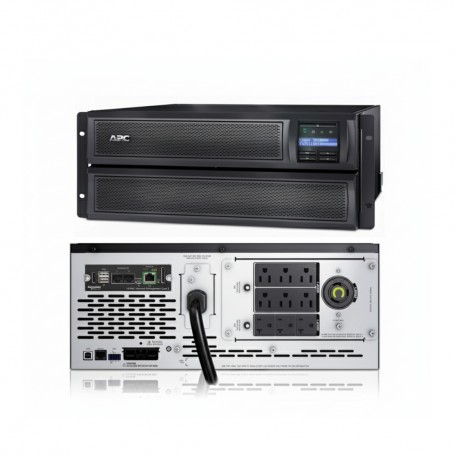
Smart-UPS X 3000VA Rack/Tower with LCD, providing uninterruptible power and monitoring for critical equipment.
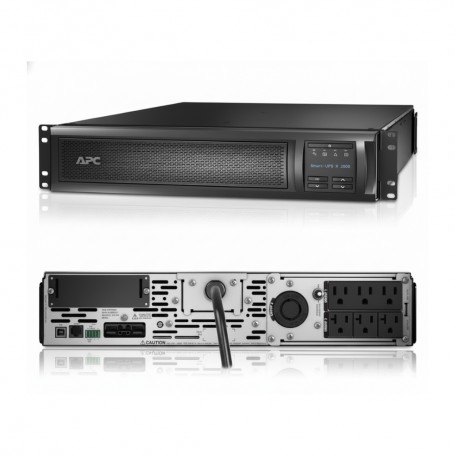
Smart-UPS X 2000VA Rack/Tower UPS with 192kVA/1800W output and 7 AC outlets for medium-size racks.
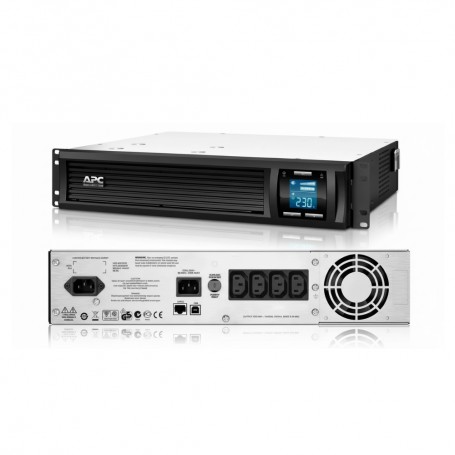
Smart-UPS C 1500VA 2U LCD Rackmount with 230V output for compact server applications.
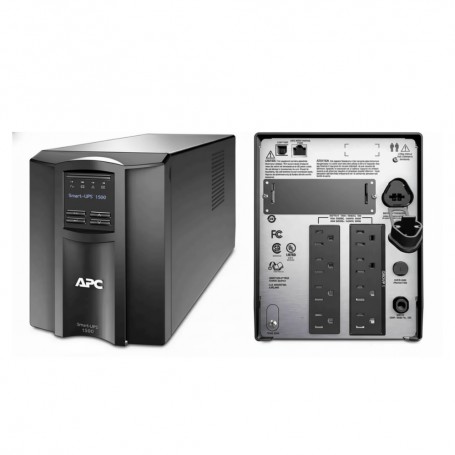
1500VA Tower Smart-UPS providing reliable international voltage support for small server setups.
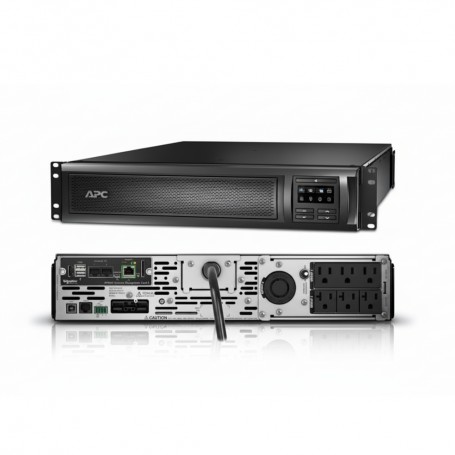
1000VA Smart-UPS X providing high-efficiency power protection for critical IT devices.
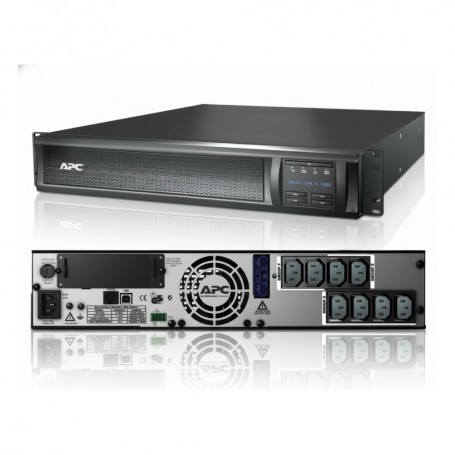
1500VA Rack/Tower Smart-UPS X with 8x C13 outlets, ideal for compact server racks.
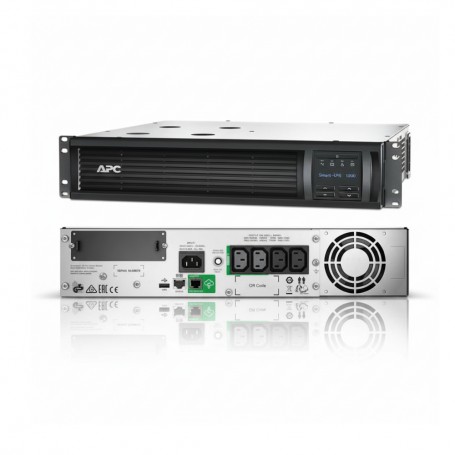
2200VA Line-Interactive Rackmount Smart-UPS with 2U height and 230V output for medium server racks.
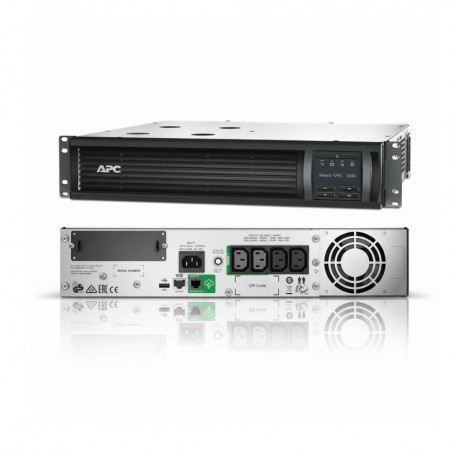
1000VA LCD Rackmount Smart-UPS 2U with 230V output, suitable for small to medium IT setups.
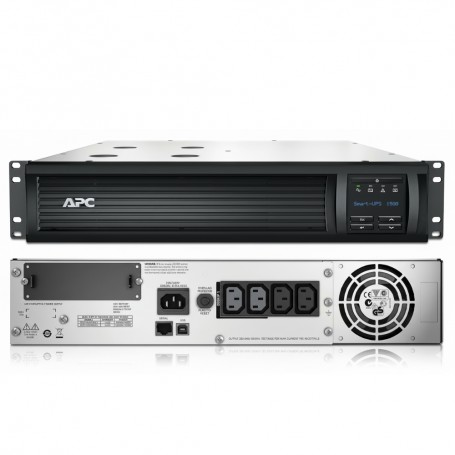
1500VA LCD Rackmount Smart-UPS 2U with 230V output, providing extended runtime for server racks.
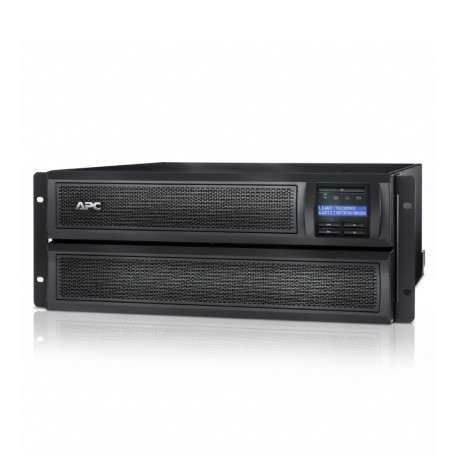
Smart-UPS X 2000VA 4U Rack/Tower UPS designed for medium-to-large server applications.
Smart-UPS 54kVA Rackmount 3U providing high-capacity power backup for large enterprise systems.
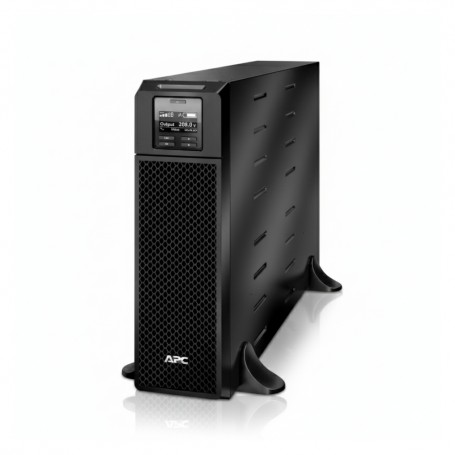
Smart-UPS On-Line 54kVA Tower UPS with 208V output for high-capacity continuous power.
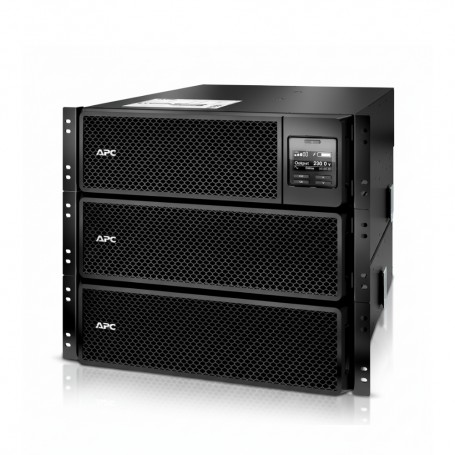
192V 8-10kVA RM Battery Pack for Smart-UPS SRT series, extending runtime for critical systems.
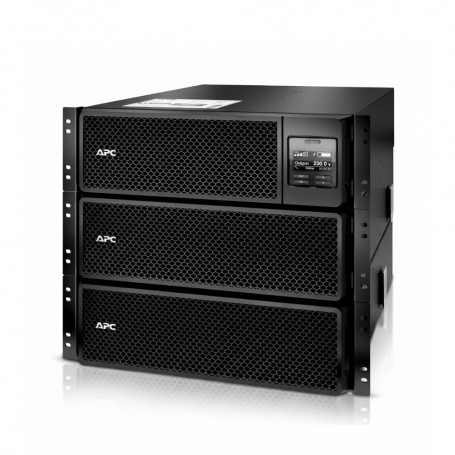
10kVA Rackmount On-Line Smart-UPS delivering high-capacity, continuous power for enterprise racks.
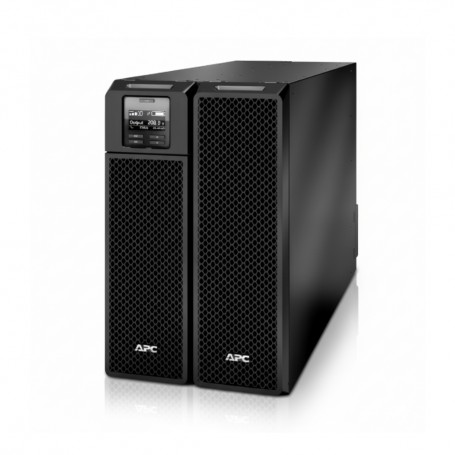
10kVA Tower On-Line Smart-UPS providing reliable continuous power for critical enterprise systems.
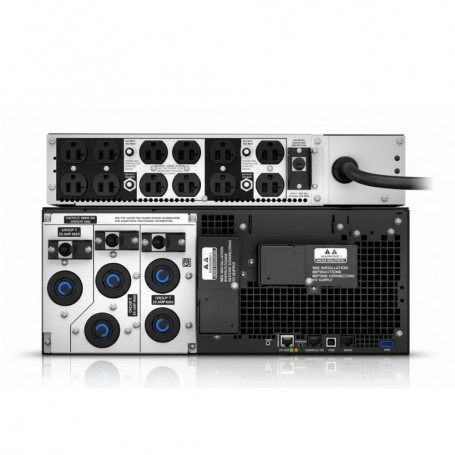
6kVA Rackmount On-Line Smart-UPS 4U with 208V output, ideal for medium-size server racks.

6kVA Tower On-Line Smart-UPS 208V for continuous protection of enterprise systems.
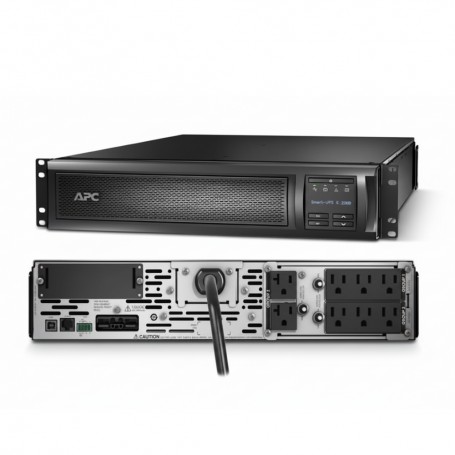
2200VA Rack/Tower Smart-UPS X with 2U height and 127V output, suitable for medium IT racks.

5kVA Rackmount On-Line Smart-UPS 3U with 230V output for high-capacity power backup.
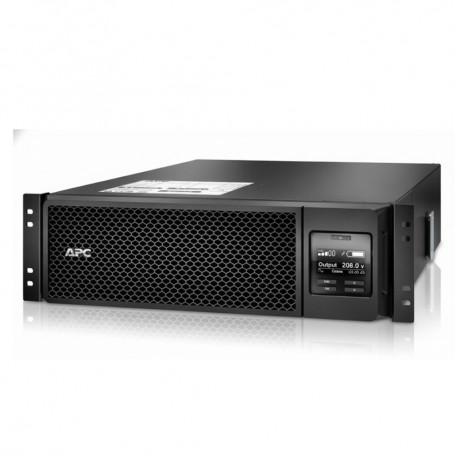
5kVA IEC Rackmount On-Line Smart-UPS 3U with 208V output for enterprise environments.

5kVA IEC On-Line Tower Smart-UPS for continuous power in medium-to-large IT setups.
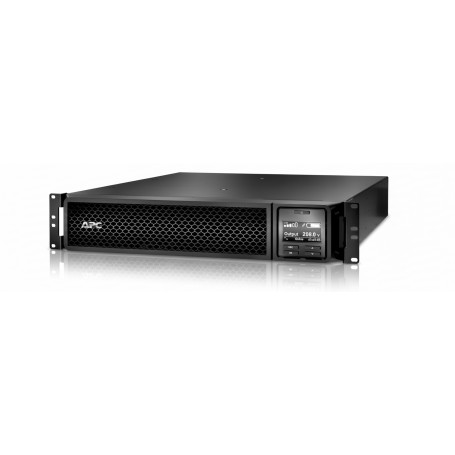
3kVA Rackmount On-Line Smart-UPS 2U with 208V output for medium-to-large enterprise racks.
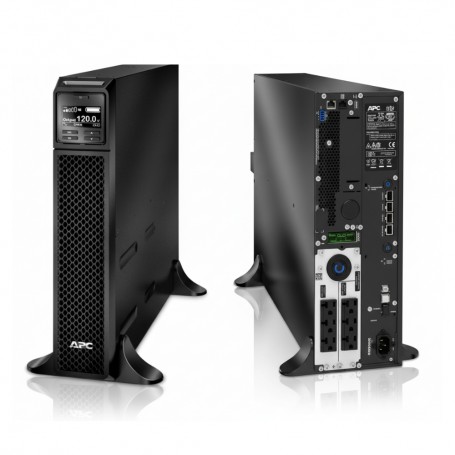
3kVA Tower On-Line Smart-UPS, 208V, designed for continuous protection of critical systems.

8kVA IEC Rackmount On-Line Smart-UPS 208V for high-capacity enterprise power protection.
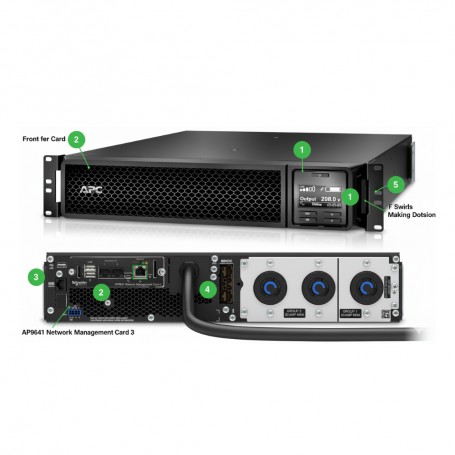
3kVA Rackmount On-Line Smart-UPS, 2U 208V, NC model for critical IT racks.

2200VA Tower On-Line Smart-UPS, 120V, providing uninterrupted power for medium IT setups.
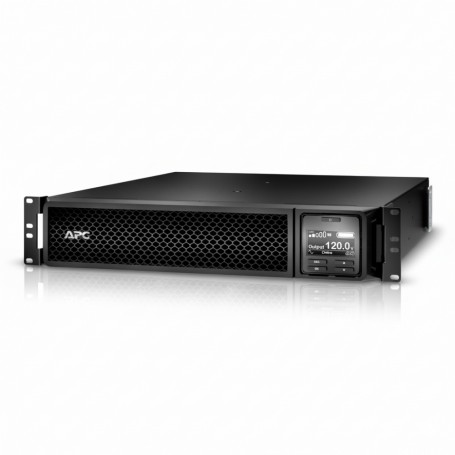
2200VA Rackmount On-Line Smart-UPS, 2U 120V for reliable protection of IT racks.
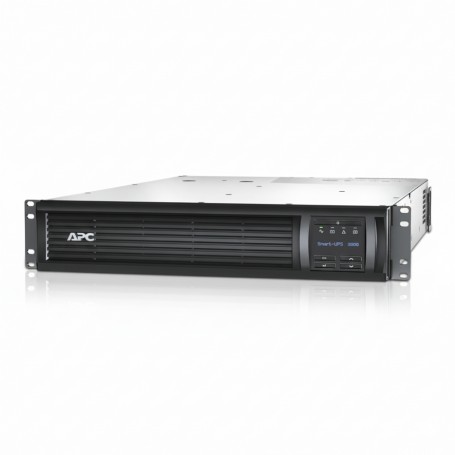
3kVA Rackmount Line-Interactive Smart-UPS, 2U 208V, ideal for small-to-medium IT deployments.
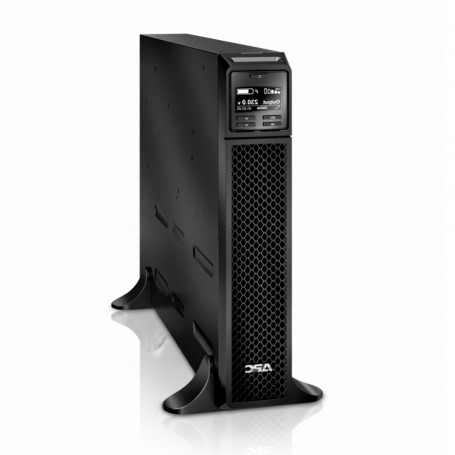
1000VA Tower On-Line Smart-UPS, 120V, compact and reliable solution for small IT loads.
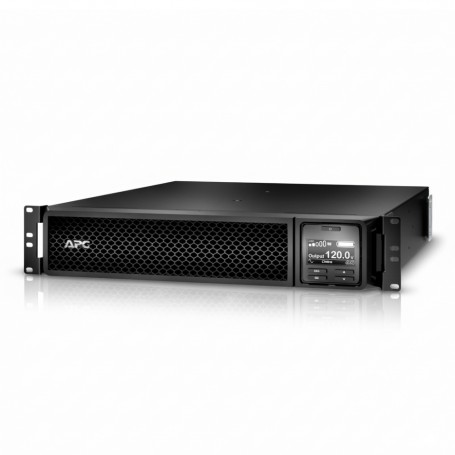
1500VA Rackmount On-Line Smart-UPS NC model, 2U 120V, ideal for critical IT equipment.
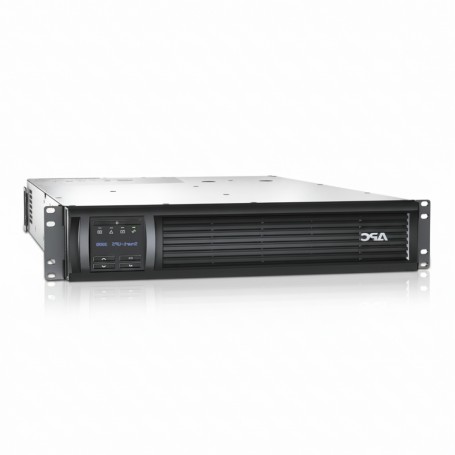
2200VA Rackmount Line-Interactive Smart-UPS, 2U 120V, providing reliable power for IT racks.
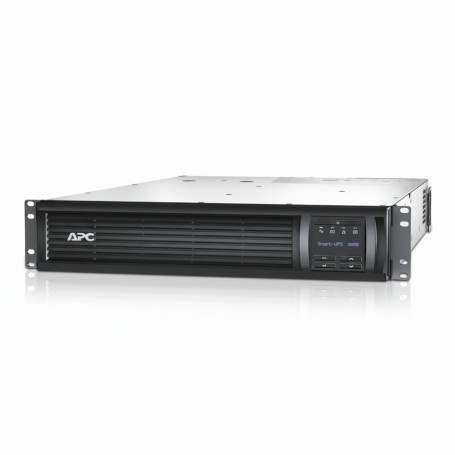
1500VA Line-Interactive Rackmount Smart-UPS, 2U, suitable for critical IT equipment protection.
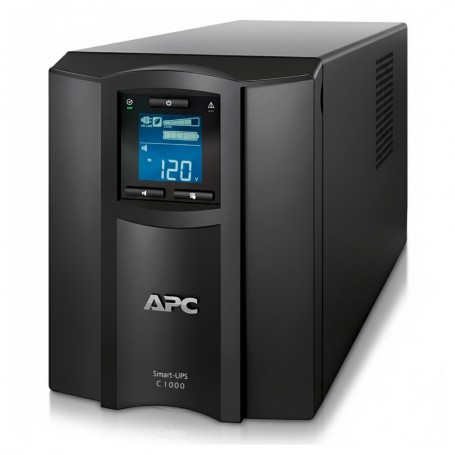
1000VA Tower Line-Interactive Smart-UPS C, 120V, with 8x NEMA 5-15R outlets, ideal for small IT setups.
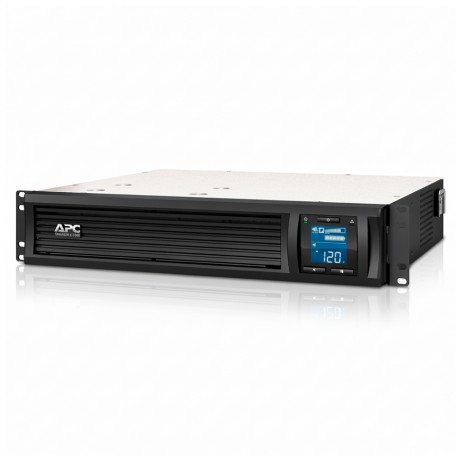
1440VA Rackmount Line-Interactive Smart-UPS C, 2U 120V, with 6x outlets, compact protection for racks.
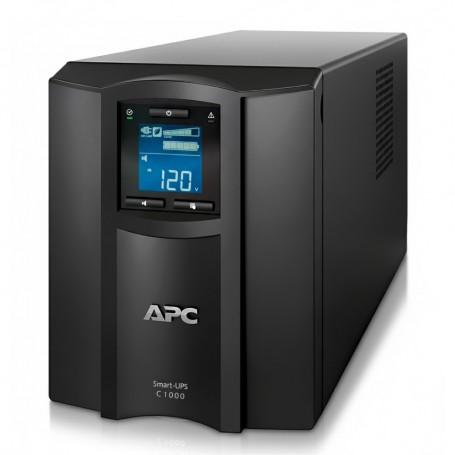
1440VA Tower Line-Interactive Smart-UPS C, 120V, designed for home and office IT protection.
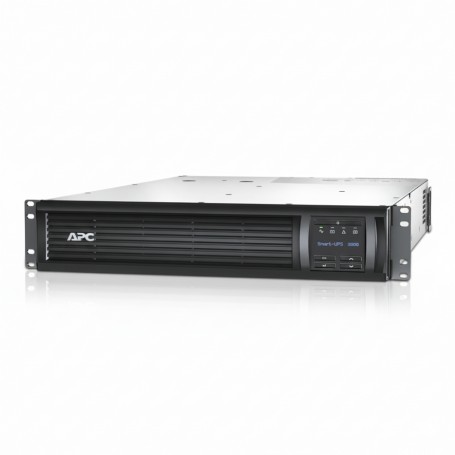
3000VA Rackmount Line-Interactive Smart-UPS, 2U 120V, high-capacity protection for IT racks.
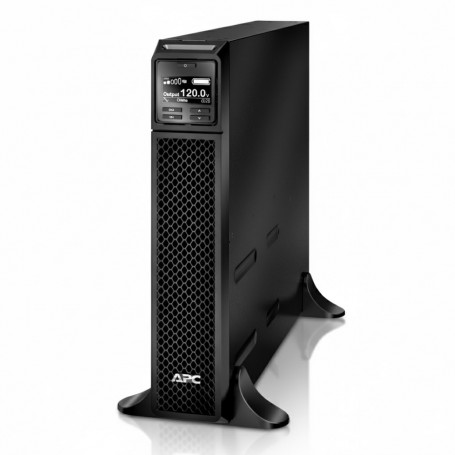
1500VA Tower On-Line Smart-UPS, 120V, with 6x NEMA 5-15R outlets, for reliable tower protection.
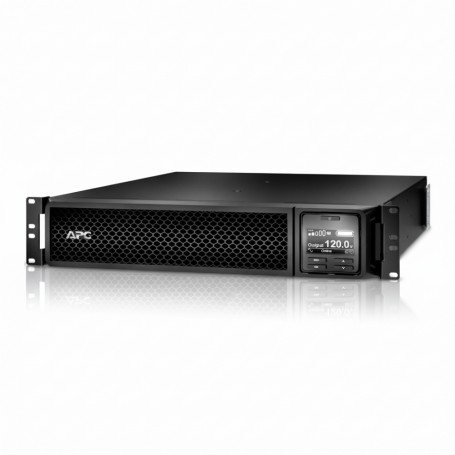
2200VA Rackmount On-Line Smart-UPS, 2U 120V, US version, ideal for enterprise IT racks.
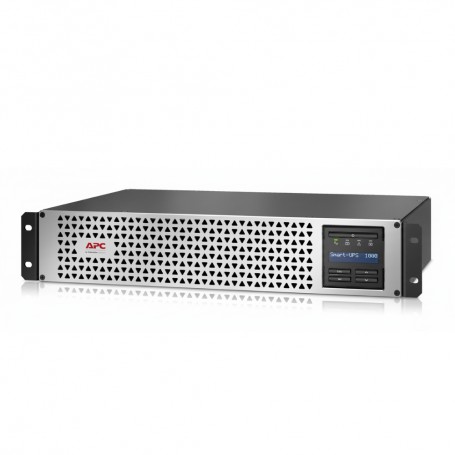
1000VA Lithium-Ion 2U Rack-Tower Line-Interactive Smart-UPS, 120V, lightweight and efficient.
750VA Line-Interactive Smart-UPS X Rack-Tower, compact solution for small IT setups.
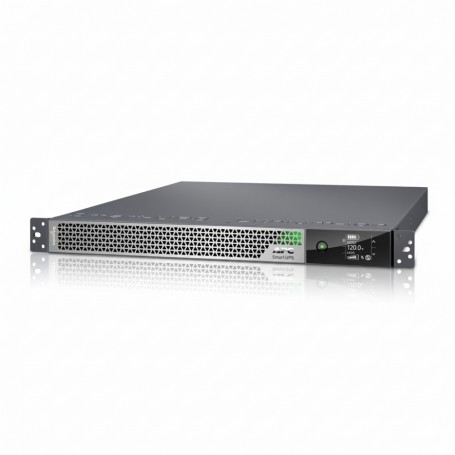
3000VA Double-Conversion Smart-UPS Ultra, Rackmount, for critical enterprise equipment requiring maximum uptime.
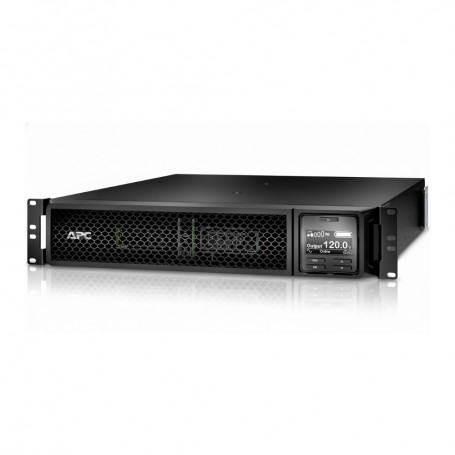
1000VA On-Line Rackmount Smart-UPS, 2U, 120V, for reliable enterprise rack protection.
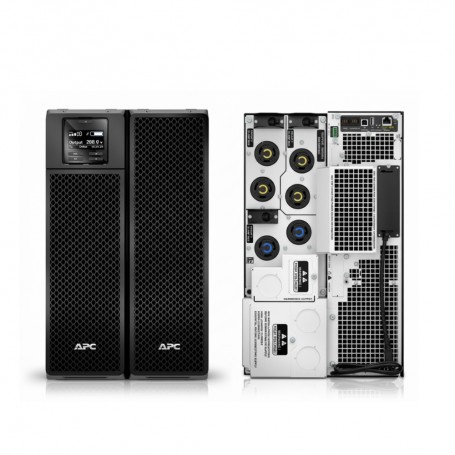
8kVA / 8kW Rack/Tower On-Line Smart-UPS, US version, high-capacity protection for enterprise systems.
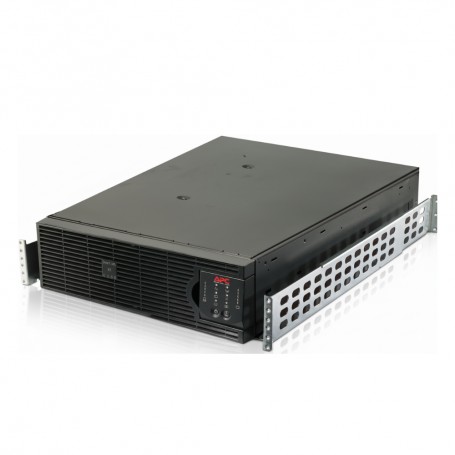
6kVA Rackmount On-Line Smart-UPS RT, 208V, 3U, with multiple outlet types, ideal for server racks.

5kVA Rackmount On-Line Smart-UPS RT, 208V, 3U, for reliable protection of IT equipment.

5kVA SRT Tower Isolation Step-Down Transformer, ensures stable input power for critical UPS loads.
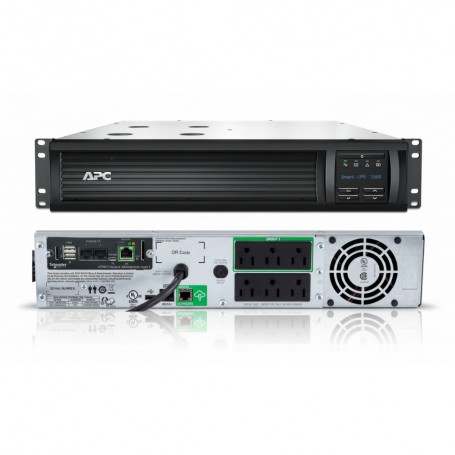
1500VA Rackmount Line-Interactive Smart-UPS, 2U, 120V, NC version for enterprise racks.
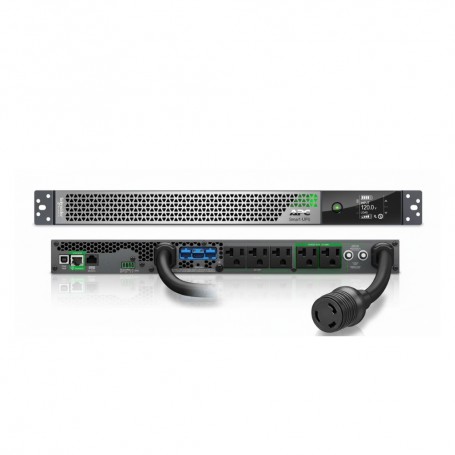
2200VA Ultra Smart-UPS, Lithium-Ion, 1U Rackmount, 120V, high-efficiency power protection.
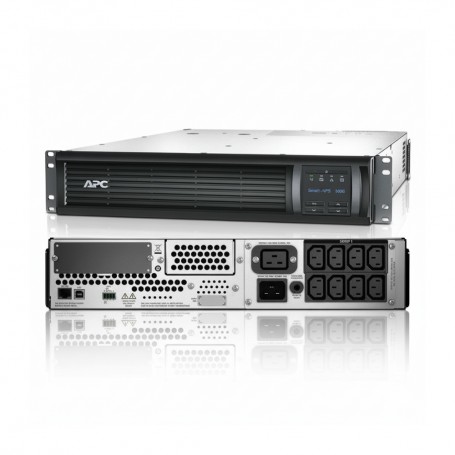
2200VA Rackmount Line-Interactive Smart-UPS, 120V, US version, reliable enterprise UPS solution.
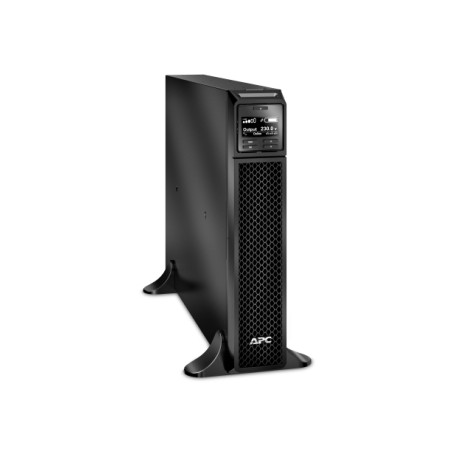
2200VA Tower On-Line Smart-UPS, ideal for medium office environments requiring reliable power.
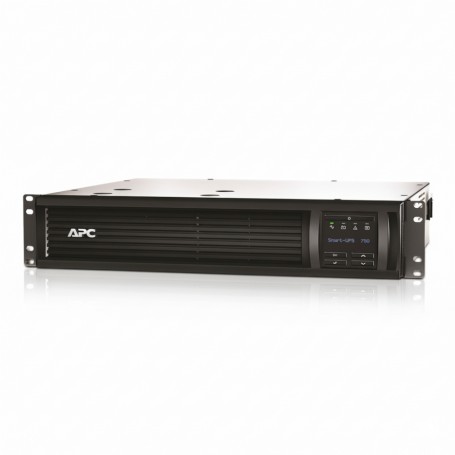
750VA Rackmount Line-Interactive Smart-UPS, 2U, 120V, with 6x NEMA 5-15R outlets for small setups.
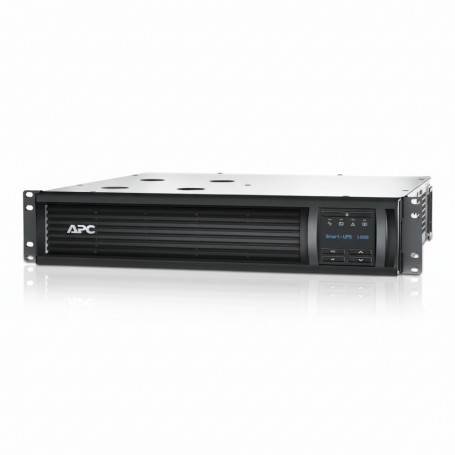
1000VA 2U Rackmount Line-Interactive Smart-UPS, 120V with 6x NEMA 5-15R outlets.
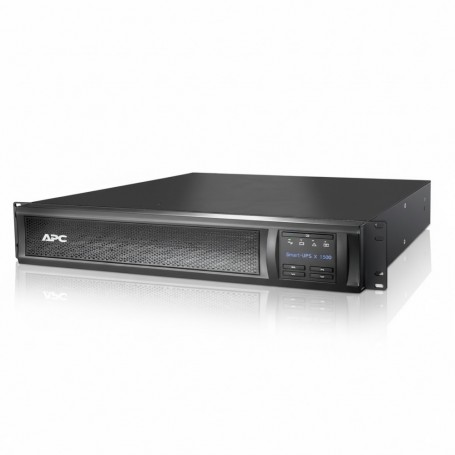
1500VA 2U Rackmount Smart-UPS X, 120V with 8 outlets, NC version, US configuration.
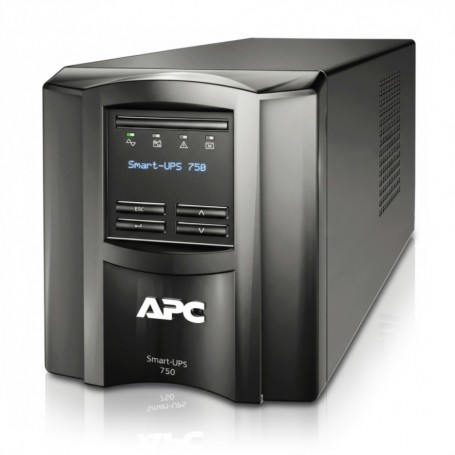
750VA LCD Smart-UPS, 230V with SmartConnect, ideal for small office or home setups.
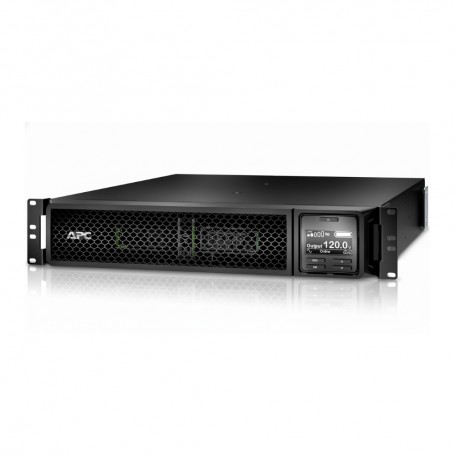
3000VA 2U Rackmount On-Line Smart-UPS, 120V, reliable protection for medium workloads.
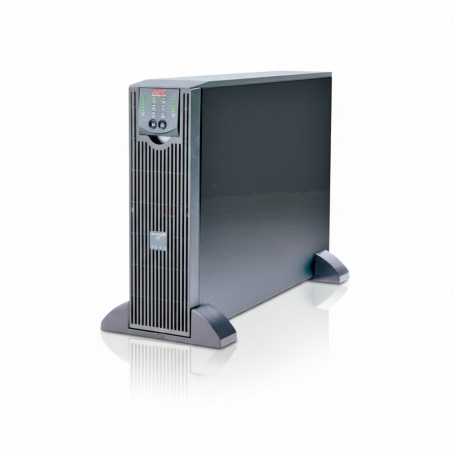
3000VA Smart-UPS RT, 120V, Tower configuration, designed for critical load protection.
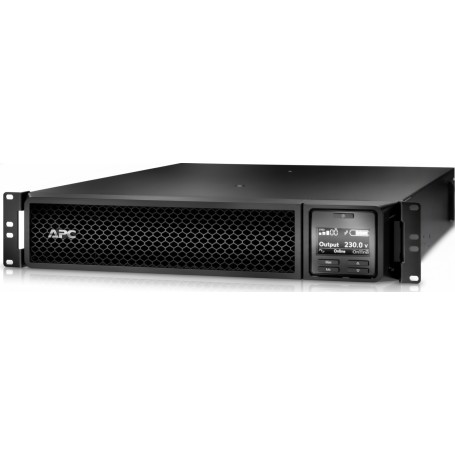
2200VA Rackmount On-Line Smart-UPS, NC version, 120V, for critical load protection.
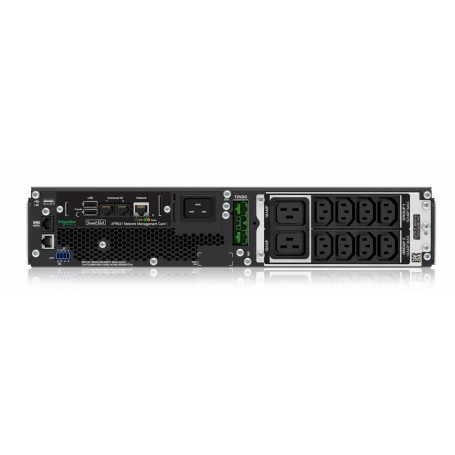
2200VA Rackmount On-Line Smart-UPS, 230V, with reliable power conditioning for servers.
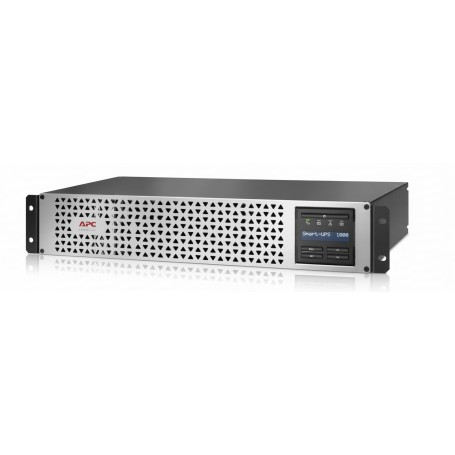
1000VA Lithium-Ion 2U Rack Smart-UPS with network card, reliable and efficient for modern racks.
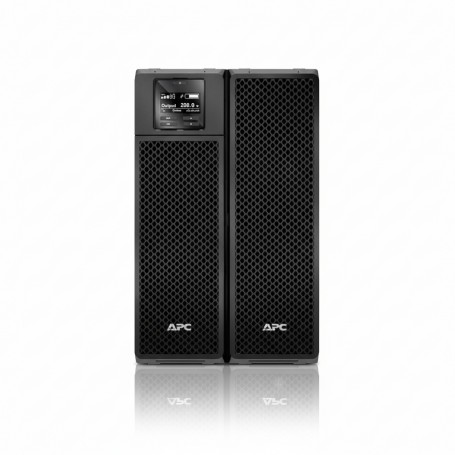
10kVA / 10kW Rack/Tower On-Line Smart-UPS, 208V, extended runtime, suitable for large enterprise racks.
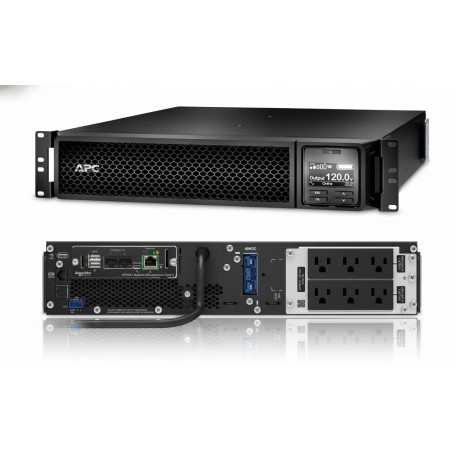
1500VA 2U Rackmount On-Line Smart-UPS, 120V with network card, US NC version for enhanced monitoring.
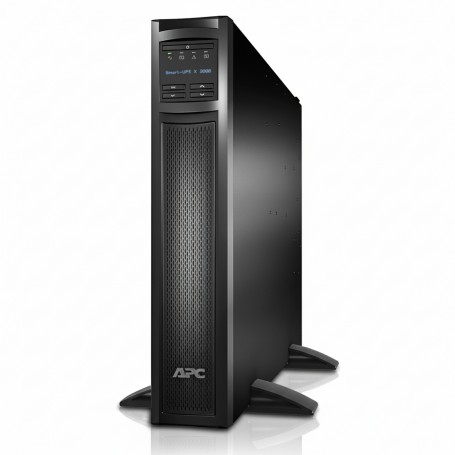
2000VA 2U Rack/Tower Smart-UPS X, 100-127V, reliable power protection for IT equipment.
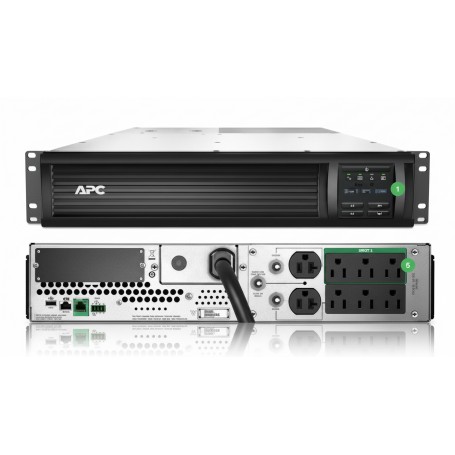
2200VA 2U Rackmount Smart-UPS, 120V, designed for small to medium server setups.
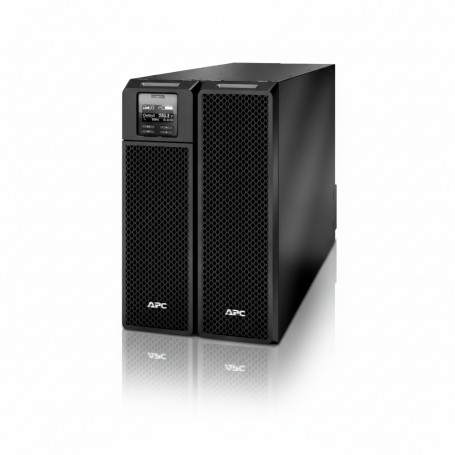
8kVA/8kW Tower On-Line Smart-UPS, 208V, extended runtime, ideal for large server environments.
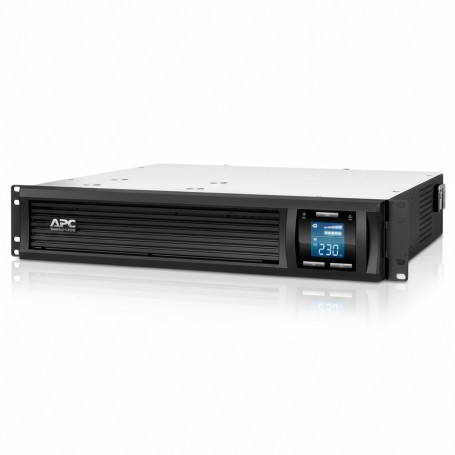
1500VA 2U Rackmount Smart-UPS with LCD, 100V, black, suitable for office and small IT racks.
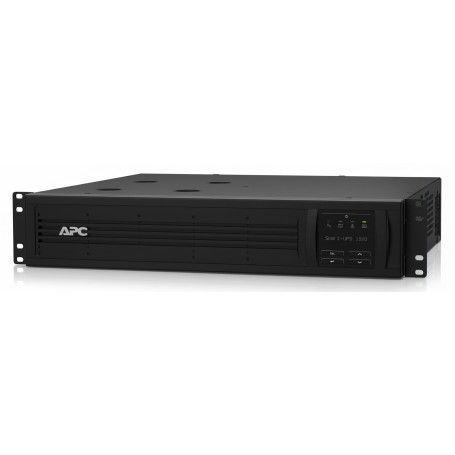
1500VA 2U Rackmount LCD Smart-UPS, 230V with SmartConnect, for efficient monitoring and protection.

5kVA 3U Rackmount On-Line Smart-UPS, US version, ideal for medium server racks with critical loads.

5kVA 3U Rackmount On-Line Smart-UPS, dual voltage 208/230V, hardware version for enhanced deployment.

5kVA Rack/Tower On-Line Smart-UPS, 208V, extended runtime for critical applications.

3000VA Ultra On-Line Smart-UPS, 1U, NC version, ideal for critical enterprise loads.
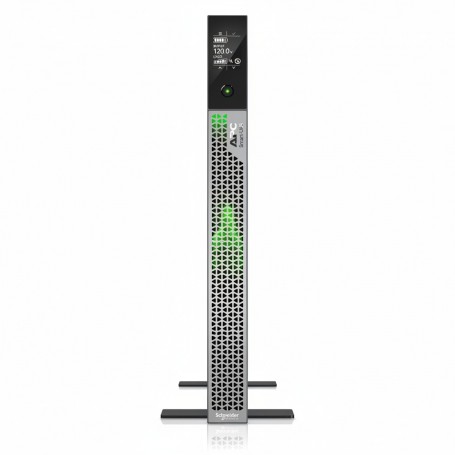
3000VA Ultra On-Line Smart-UPS, 1U, standard version, perfect for high-reliability applications.
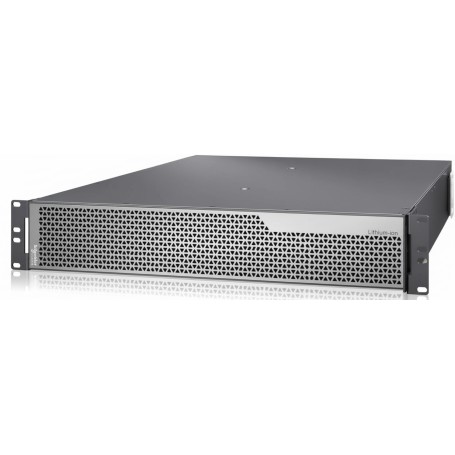
180V 2U Rack/Lithium-ion Battery Pack for Smart-UPS On-Line, reliable extended runtime.
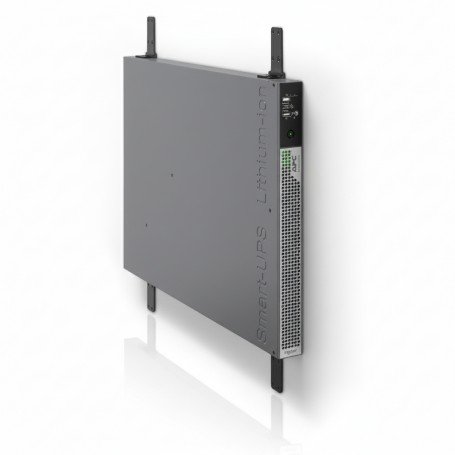
3000VA Ultra On-Line Smart-UPS, 1U Rack/Tower with Lithium-ion, high-efficiency power solution.

180V Lithium-ion External Battery Pack for Smart-UPS On-Line, ensures extended runtime.
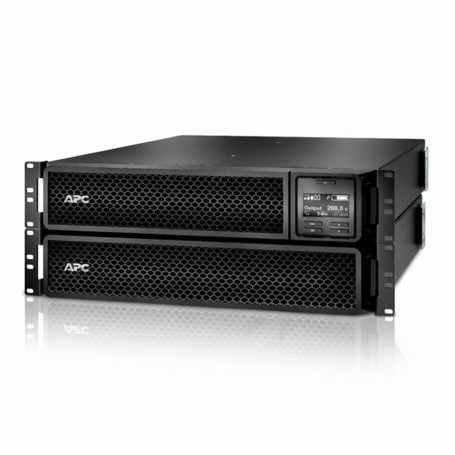
3kVA Rackmount On-Line Smart-UPS, NC US version, 208V, perfect for enterprise server racks.
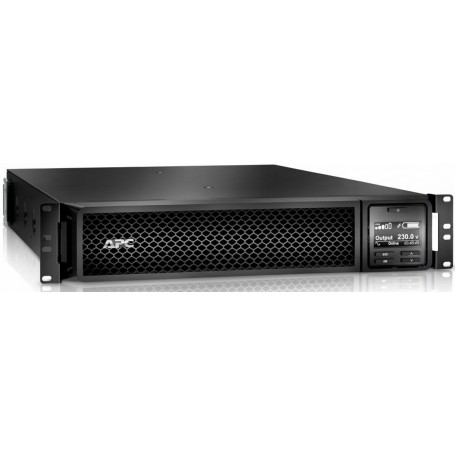
3kVA Rackmount On-Line Smart-UPS, NC version, Schneider Electric, reliable high-performance UPS.
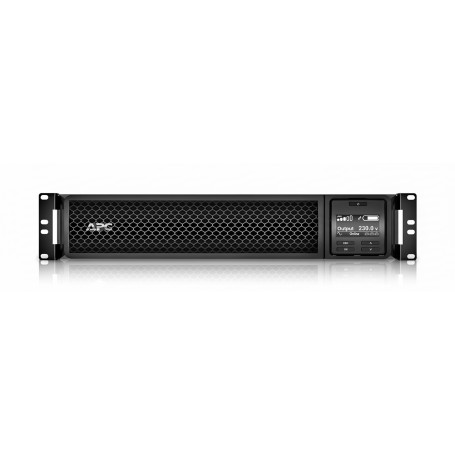
3kVA 2U Rackmount On-Line Smart-UPS, 230V with IEC outlets, ideal for critical IT infrastructure.
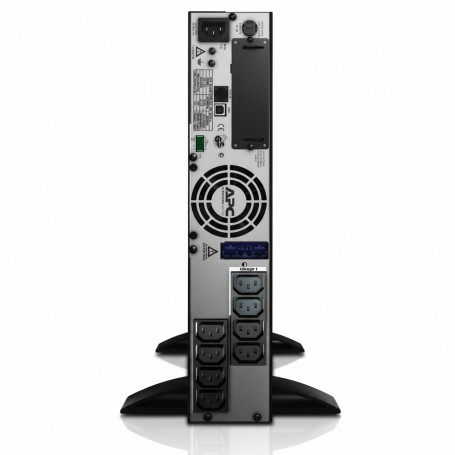
750VA Tower/Rackmount Smart-UPS, reliable line-interactive UPS for small IT systems.
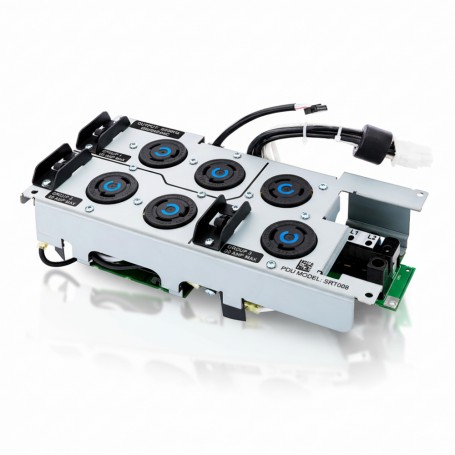
8kVA/10kVA On-Line Smart-UPS, designed for high-capacity power needs and enterprise setups.
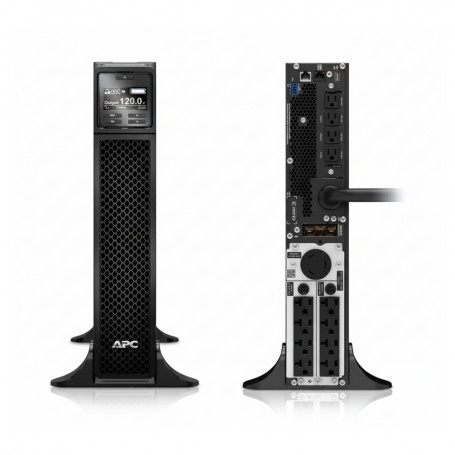
3kVA Rack/Tower On-Line Smart-UPS, US version, reliable for medium server environments.
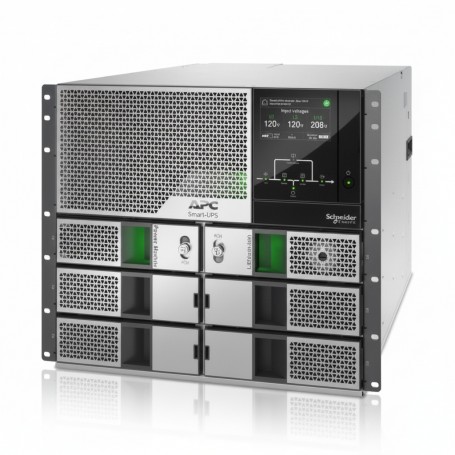
5kW Rackmount Ultra On-Line Smart-UPS, ideal for enterprise-grade applications and critical loads.
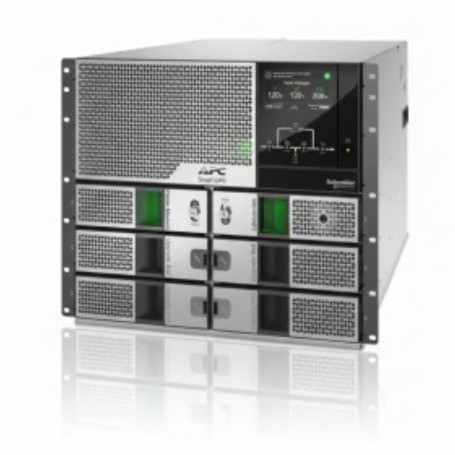
5kW Modular Ultra On-Line Smart-UPS, designed for scalable enterprise power protection.
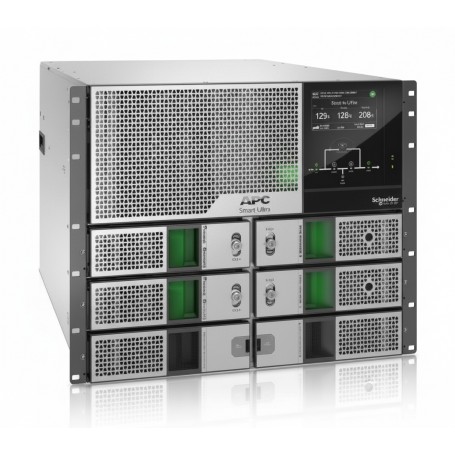
10kW Modular Ultra On-Line Smart-UPS, high-capacity UPS for critical infrastructure.
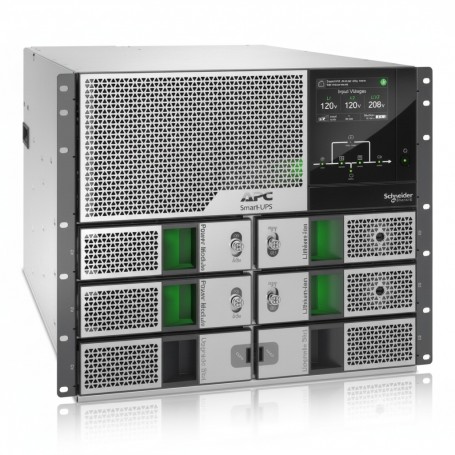
10kW Ultra On-Line Smart-UPS, high-efficiency online UPS for enterprise operations.
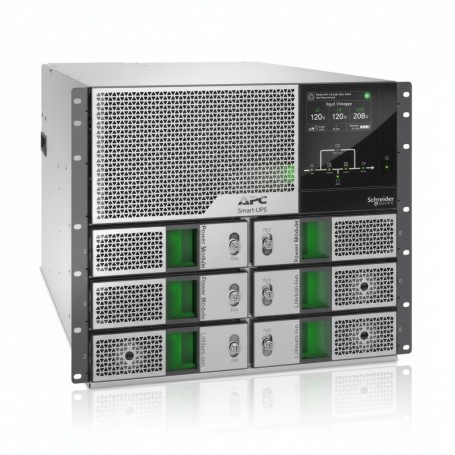
15kW 9U Modular Ultra On-Line Smart-UPS, scalable solution for large IT environments.
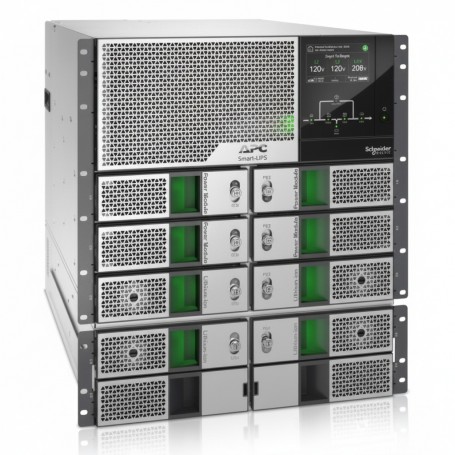
20kW Modular Ultra On-Line Smart-UPS, enterprise-level power backup for data centers.
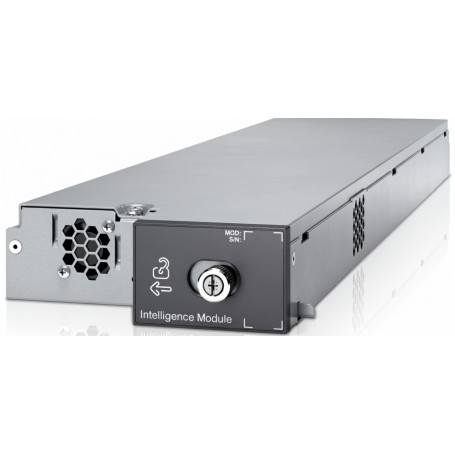
Modular Ultra Intelligence Module (SRYLIM), smart UPS management for modular systems.