How does a managed switch compare to a smart switch for small business networking?
Posted on: Oct 9, 2026 | Author: Justin
Managed and smart switches both support VLANs, but they differ in security, monitoring, CLI access and price. Find out which suits your small business.
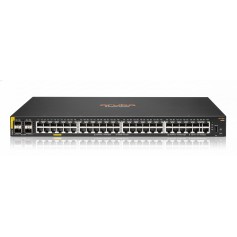
A smart switch, also called a lite managed or web-managed switch, offers a limited set of management features through a web page. A fully managed switch offers a wider set of features, including command line access, deeper security and monitoring. Both sit between plain unmanaged switches and enterprise gear.
Main differences
- Interface: smart switches use a web GUI. Managed switches add a CLI over SSH and often an API.
- VLANs: both support them. Managed switches support more VLAN features and Layer 3 routing on many models.
- Security: managed switches add 802.1X, ACLs, DHCP snooping and ARP inspection. Smart switches offer fewer of these.
- Monitoring: managed switches support full SNMP, including SNMPv3, and detailed logging. Smart switches often have basic SNMP.
- Redundancy: managed switches support advanced spanning tree, stacking and link aggregation options.
- QoS: basic on smart switches, detailed on managed switches.
- Price: smart switches cost less.
When a smart switch is enough
- Offices with fewer than 25 users.
- Needs are VLANs for guests and VoIP, plus basic QoS.
- No full-time IT staff.
- Tight budget.
When to choose a managed switch
- Regulated data such as payment cards or health records.
- Several VLANs, routing between them, or many sites.
- Network monitoring and detailed logs are required.
- A network engineer or IT provider manages the network.
If you are unsure, buy a managed model from a line you can grow with. Moving from a smart switch to a managed one later means replacing hardware.











Comments (0)
No comment