No products
To be determined Shipping
$0.00 Total
Blog Categories
Archives
Latest Posts
Compare Cisco with TP-Link, Ubiquiti, Aruba, Netgear and Juniper for small business switches, routers and Wi-Fi: price, support, features and cloud tools.
Cisco is one of the most established networking brands, with strong hardware, a deep feature set and wide support through partners. It usually costs more than TP-Link, Ubiquiti or Netgear, and the payoff is better reliability records, enterprise-grade tools and easier hiring of IT staff who know the platform. For very small offices with simple needs, a cheaper brand can be enough.
| Brand | Strength | Trade-off |
|---|---|---|
| Cisco | Mature features, broad partner support, strong brand | Higher price, Meraki needs ongoing licenses |
| TP-Link (Omada) | Low cost, cloud controller included | Fewer advanced features, smaller enterprise footprint |
| Ubiquiti UniFi | Single dashboard, good value, easy scaling | Support is mostly community and self-service |
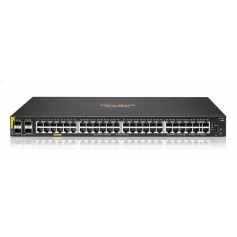
| Aruba Instant On | Simple setup, no recurring license | Limited depth for complex networks |
| Netgear | Easy to buy, wide range | Mixed management tools |
| Juniper (now part of HPE) | Strong routing and switching, cloud AI tools | Aimed at larger environments |
Cisco support is mainly delivered through resellers and support contracts. Many Cisco Business switches come with a limited lifetime hardware warranty, but check the terms for the exact model. Meraki support is included while the license is active.
Small business products have simpler interfaces, fewer ports and lower prices. Enterprise Catalyst gear adds software-defined networking, automation and large scale features. A growing business can stay inside the Cisco family and move up without learning a new platform.
It costs more up front than consumer brands, but the lifespan, features and support often reduce total cost over time.
Reviews vary by product line. Meraki is praised for ease of management, while some users dislike license costs.
Ubiquiti suits cost-focused users who manage their own network. Cisco suits those wanting vendor-backed support and advanced features.









Comments (0)
No comment