No products
To be determined Shipping
$0.00 Total

Blog Categories
Archives
Latest Posts
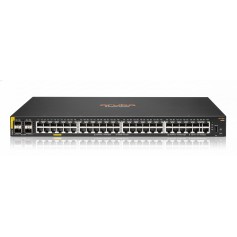
Cut switch power use with Energy-Efficient Ethernet, fanless designs and PoE scheduling. See what to look for and which product lines support it.
The switch itself usually uses little power. A small 24-port Gigabit switch might draw 15 to 30 watts. PoE devices connected to it use much more. The best energy-efficient setup combines an efficient switch with smart PoE controls.
Feature support differs by model, so confirm EEE and PoE scheduling on the datasheet.
If a switch uses 15 W less than another, that saves 131 kWh a year (15 W × 8,760 hours). At $0.15 per kWh, that is about $20 a year. The bigger savings come from PoE: turning off a 60 W load for 12 hours a night saves about 263 kWh a year.
If cost matters, compare the total power draw at your actual load, not just the maximum figure on the spec sheet.










Comments (0)
No comment